
Living Traditions of Japan
Five days with the people who keep Japan’s crafts, food and faith going, from a Tokyo temple kitchen to a dawn fire ritual on Koyasan.
5 days · Tokyo, Kanazawa, Kyoto, Mount Koya · Year-round · Relaxed · Repeat visitors and travelers who want hands-on time with makers
Signature moments
– Cooking a temple lunch with a monk in his own kitchen
– A Kanazawa morning between Omicho Market and Kenrokuen
– The goma fire ritual at dawn, followed by geiko and maiko that evening in Gion
– A Kanazawa morning between Omicho Market and Kenrokuen
– The goma fire ritual at dawn, followed by geiko and maiko that evening in Gion
Day 1 – Tokyo
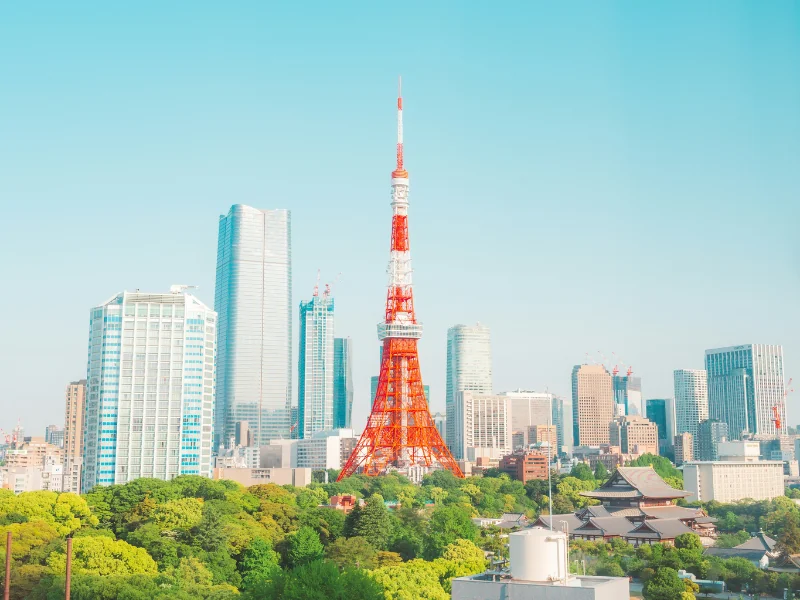
Start in Yanaka, a temple quarter of wooden houses and family shops that came through the 1923 earthquake and the war largely intact. Cook lunch with a monk in a Tokyo temple kitchen, learning the shojin ryori dishes that fed Zen communities for centuries. In the afternoon, sit with a makie artist and decorate a small piece with gold lacquer, the technique behind Japan’s finest boxes and bowls.
Tour Highlights
Day 2 – Kanazawa
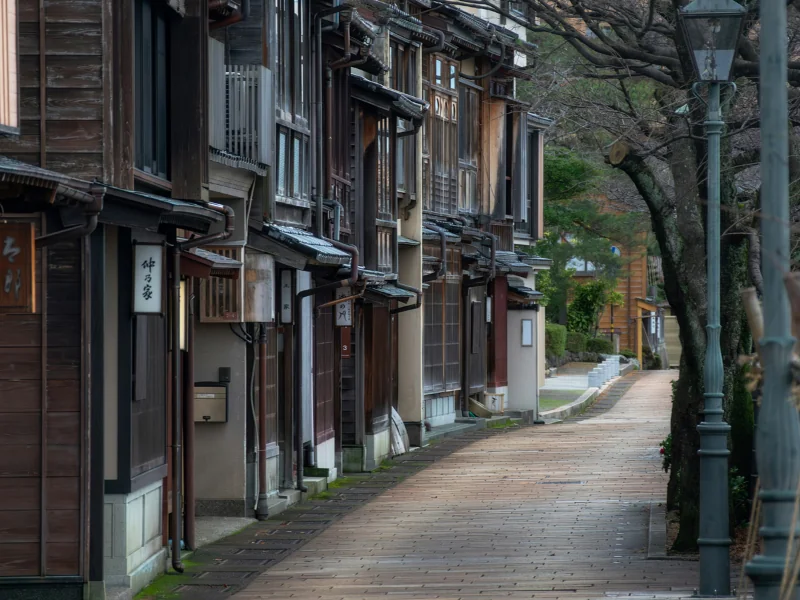
Hokuriku Shinkansen to Kanazawa, about two and a half hours. Lunch at Omicho Market, the city’s kitchen for 300 years: crab in winter, nodoguro blackthroat seaperch all year. Walk Kenrokuen, one of Japan’s three great gardens, then cross the river to the Higashi Chaya district, where teahouses built in 1820 still host geiko in the evenings. Finish at the 21st Century Museum, where Leandro Erlich’s Swimming Pool puts you at the bottom of the water.
Tour Highlights
– Omicho Market
– Kenrokuen
– Higashi Chaya
– 21st Century Museum
– Kenrokuen
– Higashi Chaya
– 21st Century Museum
Day 3 – Kanazawa to Kyoto
Morning train to Kyoto via Tsuruga, about two hours. Walk Nishiki Market with your guide, tasting as you go, and stop at Aritsugu, which has made knives for Kyoto’s kitchens since 1560. In the afternoon, visit a Nishijin weaving house to see obi silk woven on Jacquard looms, then walk Gion and Pontocho as the lanterns come on.
Tour Highlights
– Nishiki Market
– Aritsugu knives
– Nishijin weaving house
– Gion and Pontocho by evening
– Aritsugu knives
– Nishijin weaving house
– Gion and Pontocho by evening
Day 4 – Mount Koya
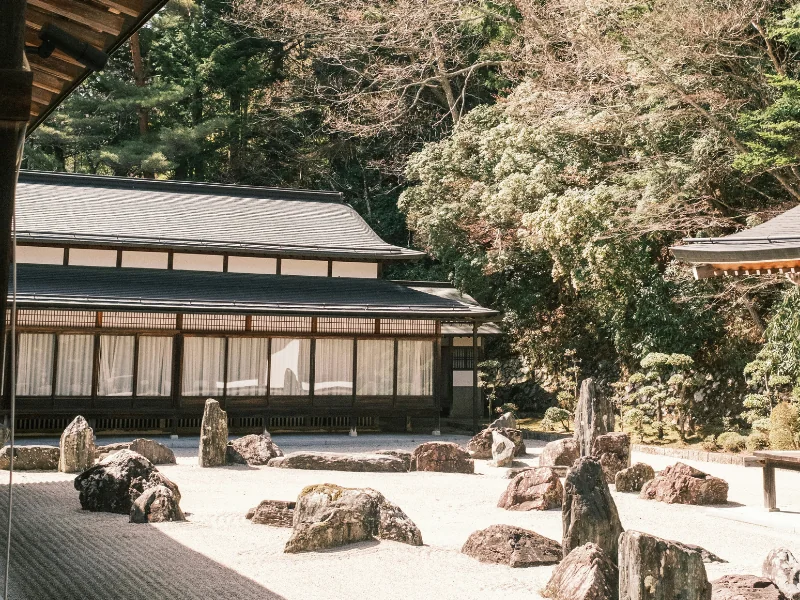
Drive into the Kii Mountains to Koyasan, the monastery town founded in 816. Copy a sutra with brush and ink in a temple hall, then walk Okunoin, where the graves of samurai, lords and ordinary pilgrims stand under cedars hundreds of years old. Dinner is shojin ryori in your temple lodging, served on lacquer trays.
Tour Highlights
– Sutra copying
– Okunoin
– Overnight in a shukubo
– Okunoin
– Overnight in a shukubo
Day 5 – Koyasan to Kyoto
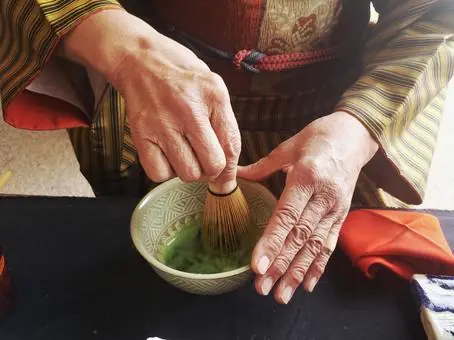
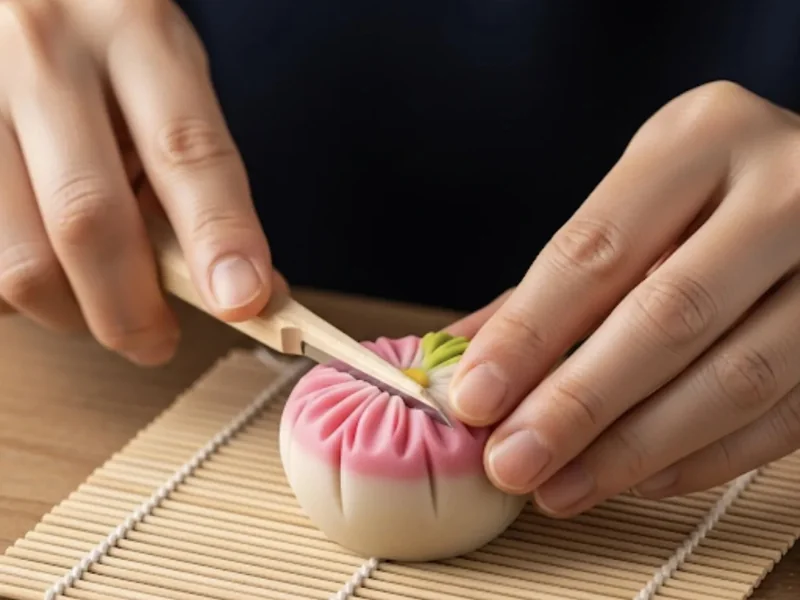
Join the monks at 6am for prayers and the goma fire ritual, then return to Kyoto. After lunch, shape seasonal wagashi with a confectioner and eat them with matcha at a private tea ceremony in a machiya. As evening falls, a private dinner in Gion with geiko and maiko: dance, shamisen and a seasonal kaiseki menu.
Tour Highlights
– Goma fire ritual
– Wagashi class and tea ceremony
– Private geiko and maiko dinner
– Wagashi class and tea ceremony
– Private geiko and maiko dinner
Good to know
– Koyasan is cold from November to March; temple lodgings are heated and some rooms have private baths.
– Market and workshop days vary; Omicho and Nishiki are quietest early in the week. Several stalls close on Wednesdays.
– Market and workshop days vary; Omicho and Nishiki are quietest early in the week. Several stalls close on Wednesdays.